Darknet Markets 2026:
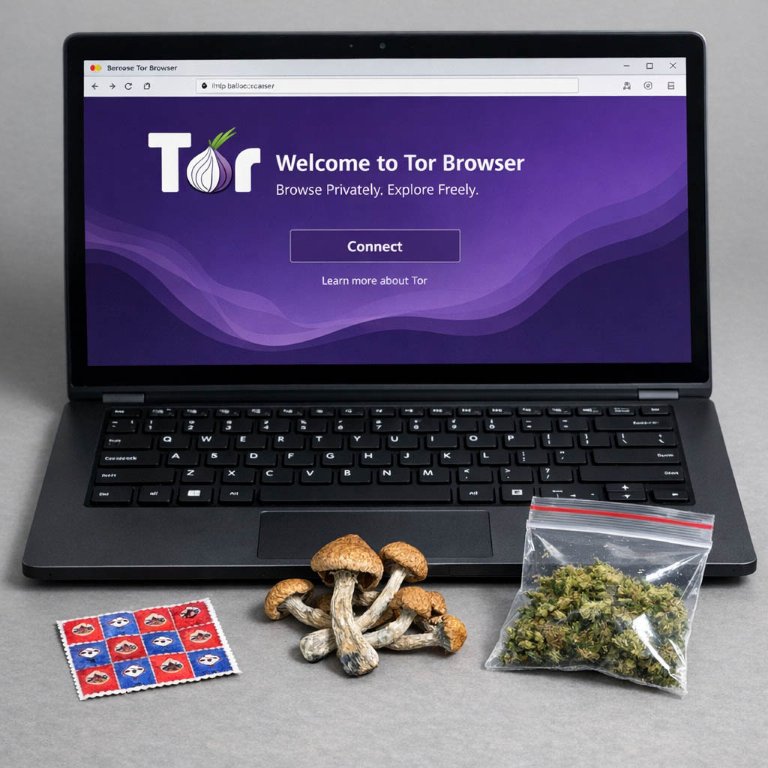
The dark web is part of the deep web but is built on darknets: overlay networks that sit on the internet but which can't be accessed without special tools or software like Tor. Tor is an anonymizing software tool that stands for The Onion Router — you can use the Tor network via Tor Browser.
| Darknet Market | Established | Total Listings | Link |
|---|---|---|---|
| TorZon Market | 2022 | 140+ | Onion Link |
| Nexus Market | 2024 | 600+ | Onion Link |
| Abacus Market | 2022 | 100+ | Onion Link |
| Ares | 2026 | 100+ | Onion Link |
| Cocorico | 2023 | 110+ | Onion Link |
Updated 2026-10-25
How Bitcoin Made Drug Trade Safer on the Darknet
Bitcoin's emergence provided the foundational technology for the modern darknet marketplace by enabling a secure and pseudonymous medium of exchange. Its decentralized nature and cryptographic security allowed parties to transact without reliance on traditional financial institutions, which often act as gatekeepers and monitors. This created the first viable framework for digital commerce where privacy was paramount. On darknet platforms, this translated into the ability to conduct trade with significantly reduced risk of personal exposure, fostering an environment where transactions could be completed based on mutual interest rather than geographic proximity or physical interaction.
The integration of Bitcoin into these markets directly enabled a more reliable and safer ecosystem for the drug trade. By moving transactions online and utilizing cryptocurrency, the process eliminated many dangers associated with street-level purchases. Buyers could access detailed product descriptions, standardized quantities, and purity information from vendors who maintained digital storefronts. This shift introduced a market-driven quality control, where vendors with superior products and service built positive reputations through user feedback systems. The economic incentives aligned towards reliability and safety, as a vendor's future business depended on consistent, positive reviews. The entire system functions as a self-regulating economic environment, where trust is built digitally and enforced through transparent rating mechanisms, making commerce more predictable and secure for all participating parties.
How Bitcoin's Privacy Makes Drug Sales Safer and More Reliable
Bitcoin's architecture provides a foundational layer of pseudonymity for darknet commerce. Transactions occur between cryptographic addresses, not directly linked to real-world identities. This creates a secure environment where buyers and vendors can interact without exposing personal information, reducing risks of social stigma or personal targeting.
The system's security is reinforced by the immutable blockchain ledger. Every transaction is publicly recorded and verified, creating a transparent and tamper-proof history of exchanges. This prevents fraud, as neither party can falsely claim a payment wasn't sent or received. The trust is placed in the code and the network, not in the anonymous counterparty.
This combination enables a reliable marketplace for goods where discretion is paramount. For the drug trade, it facilitates a direct economic relationship based on product quality and service. The mechanisms are clear:
- Pseudonymous addresses protect participant identity.
- The public ledger ensures transactional integrity and prevents disputes.
- Escrow services, held by the marketplace, further secure transactions until the buyer confirms receipt.
Consequently, darknet platforms evolve into self-regulating economic systems. Vendor reputation, built through consistent, high-quality transactions, becomes their most valuable asset, directly influencing demand and price. This environment fosters a market where reliability and consumer satisfaction are economically incentivized, leading to a more predictable and professionalized commercial space.
How Bitcoin's Public Ledger and Private Addresses Enable Safe Darknet Commerce
The Bitcoin blockchain provides an immutable and public record of all transactions. This transparency, however, does not equate to a public identity. User identities are hidden behind cryptographic addresses, creating a system of pseudonymity. This fundamental architecture enables secure and verifiable commerce on the darknet without exposing the parties involved.
Every transaction is permanently recorded and can be audited by any participant, which establishes a foundational layer of trust. A buyer can cryptographically prove that funds were sent, and a vendor can prove they were received, all without traditional banking intermediaries. This removes the risk of chargeback fraud and enables direct peer-to-peer trade.
The separation between a public financial ledger and private identity is what facilitates safe private commerce. It allows for the development of a reliable marketplace for goods, including pharmaceuticals and other substances, where demand exists. The system's design ensures that:
- Transactions are secure and cannot be arbitrarily reversed.
- Parties can interact without knowing personal details about each other.
- The permanent ledger allows for independent verification of any deal's financial component.
This environment has directly supported the growth of a functional darknet economy. The reliability of the transaction mechanism, coupled with hidden identities, reduces the risks associated with physical exchange and enables a broader, more efficient market. Consumer demand for quality and safety is then met through vendor rating systems and escrow services built on top of this pseudonymous financial layer, leading to a more predictable and self-regulating commercial space.

How Mixing Services Made Darknet Trade More Secure
The inherent transparency of the Bitcoin blockchain, where every transaction is permanently recorded and publicly viewable, presented a significant challenge for users seeking privacy on the darknet. While user identities are pseudonymous, sophisticated chain analysis can link transactions to real-world entities, compromising operational security. This vulnerability directly spurred the innovation of mixing services, also known as tumblers, which were engineered to disrupt the traceability of funds.
These services function by pooling coins from multiple users and then redistributing them. A user sends their bitcoin to the mixer's address, and after a randomized delay, receives different bitcoin of equal value from a vast, unrelated pool of funds. This process severs the direct transactional link on the blockchain between the sender and the final recipient. The technical implementation creates a cryptographic obfuscation layer, making it exceptionally difficult for external observers to determine the original source or ultimate destination of the funds.
The evolution of mixing has been critical for enabling safer commerce. For darknet vendors and consumers, it mitigates the risk of financial surveillance and protects against address blacklisting by exchanges. This enhancement of financial privacy fosters a more secure environment where transactions can be conducted with reduced fear of exposure, directly supporting the reliability and longevity of trading platforms. The development progressed from centralized mixing services to more trustless, decentralized protocols and coinjoin transactions, which allow multiple parties to collaboratively mix their coins in a single transaction without surrendering custody to a third party.
The market demand for privacy ensured these tools became a standard operational practice, demonstrating a self-regulating adaptation within the darknet economy to overcome a core limitation of its primary currency. This progression logically paved the way for the next evolutionary step: the creation of privacy-focused cryptocurrencies like Monero, which bake these obfuscation techniques directly into their protocol, offering stronger anonymity guarantees by default.
Monero's Privacy Makes Darknet Trade More Secure
While Bitcoin established the model, its transparent ledger presents a traceability risk. This limitation directly spurred the creation of privacy-centric cryptocurrencies like Monero. Monero uses advanced cryptographic techniques such as ring signatures and stealth addresses to obfuscate transaction details by default. This provides a stronger, more fundamental layer of financial privacy compared to Bitcoin's optional mixing services.
The adoption of Monero on darknet platforms demonstrates a market evolution toward secure private commerce. Vendors and consumers migrate to currencies that offer superior transactional opacity, reducing external scrutiny risks. This technological shift supports a more reliable trade environment by:
- Making transaction histories and balances completely confidential.
- Preventing blockchain analysis from linking purchases to individuals.
- Creating a more resilient economic layer for darknet markets.
This progression from pseudonymous to anonymous digital currency enhances the ecosystem's stability. It allows participants to engage in commerce with greater confidence in the privacy of their financial actions, which is a cornerstone for building persistent and trustworthy trading relationships on these platforms.
How Darknet Buyers Get Better Drugs
The integration of Bitcoin into darknet commerce has fundamentally altered market dynamics, shifting power towards the consumer and fostering an environment where quality and reliability become primary competitive advantages. Unlike traditional illicit markets, the pseudonymous but reputation-based darknet platforms create a self-reinforcing economic system. A vendor's success is directly tied to consistent product quality, as reflected in transparent user feedback and rating systems.
This feedback loop, immutable and public, disciplines the market. Vendors with poor ratings or who engage in scams or product misrepresentation quickly lose business and are marginalized. Consequently, consumers are empowered to make informed choices, driving vendors to compete on:
- Product purity and consistency
- Accurate and stealthy shipping
- Professional customer service and communication
Bitcoin facilitates this by enabling secure, borderless, and final settlements without the need for personal trust between strangers. The result is a market that, while operating outside conventional regulatory frameworks, exhibits a form of organic self-regulation. High-quality vendors flourish, building long-term customer bases and brand loyalty, which in turn raises the overall standard of goods and services available. This dynamic demonstrates how cryptographic tools and transparent reputation mechanisms can create a more predictable and consumer-centric commercial ecosystem, even in a pseudonymous environment.
How Rating Systems Make Darknet Drug Markets Reliable
The pseudonymous nature of bitcoin transactions on the darknet necessitates a robust mechanism for establishing trust between strangers. This is achieved through sophisticated, crowd-sourced vendor rating systems. These systems function as a decentralized reputation framework, directly addressing the inherent uncertainty of anonymous commerce.
Every completed transaction allows a buyer to leave detailed feedback, often including ratings for product quality, shipping speed, stealth packaging, and communication. This collective intelligence is aggregated into a public profile for each vendor, creating a powerful economic incentive for honest business practices. A vendor with a high rating and thousands of positive reviews has a significant financial stake in maintaining their reputation, which directly correlates with future sales volume and the ability to command premium prices.
The resulting environment is a self-regulating marketplace. Vendors are compelled to consistently deliver high-quality products and reliable service to preserve their standing. Poor quality, scams, or failure to deliver are quickly exposed in public feedback, leading to a loss of customer trust and effective removal from the market. This organic regulation fosters a surprisingly reliable commercial ecosystem where consumers can make informed purchasing decisions based on historical performance data, significantly reducing the risk of fraud and ensuring a more predictable and secure exchange for all parties involved.
How Bitcoin and User Reviews Create a Safe, Self-Policing Drug Trade on the Darknet
The integration of Bitcoin into darknet marketplaces has facilitated the emergence of a robust, self-regulating economic system. This environment operates on principles of secure commerce and reliable transaction fulfillment, largely independent of traditional financial and legal structures. The foundational element is Bitcoin's pseudonymous nature, which allows participants to engage in trade without revealing personal identities, thereby lowering the risk of exposure and fostering a broader market participation.
This privacy framework supports a commercial ecosystem where consumer demand for quality and vendor accountability become the primary regulatory forces. Markets implement sophisticated vendor rating systems and escrow services, which are enforced by smart contracts on the platform. These mechanisms create powerful economic incentives for honest conduct:
- Vendors with consistent positive feedback gain higher visibility and sales.
- Buyers are motivated to leave accurate reviews to maintain their own reputation.
- Attempts at fraud or supply of substandard products are quickly marginalized through collective feedback.
The result is a market that efficiently polices itself. For consumers, this system provides unprecedented access to verified product quality and transactional certainty, aspects often lacking in unregulated street markets. The transparent and immutable record of transactions on the blockchain, while hiding real-world identities, provides a clear ledger for dispute resolution mediated by the platform itself. This convergence of cryptographic currency and crowd-sourced reputation has engineered a stable commercial environment where private commerce for a range of goods, including pharmaceutical and psychoactive substances, can be conducted with a high degree of predictability and security for all consenting parties involved.