Darknet Markets 2026:
The dark web is part of the deep web but is built on darknets: overlay networks that sit on the internet but which can't be accessed without special tools or software like Tor. Tor is an anonymizing software tool that stands for The Onion Router — you can use the Tor network via Tor Browser.
| Darknet Market | Established | Total Listings | Link |
|---|---|---|---|
| TorZon Market | 2022 | 140+ | Onion Link |
| Nexus Market | 2024 | 600+ | Onion Link |
| Abacus Market | 2022 | 100+ | Onion Link |
| Ares | 2026 | 100+ | Onion Link |
| Cocorico | 2023 | 110+ | Onion Link |
Updated 2026-10-25
How to Find a Reliable Darknet Drug Vendor
A darknet marketplace link serves as the primary gateway to a specialized e-commerce ecosystem. These platforms function similarly to conventional online marketplaces but operate within encrypted networks like Tor or I2P, which conceal a user's location and identity. The core mechanism relies on a vendor feedback and reputation system, which is the cornerstone of trust and reliability. Before any transaction, users meticulously review a vendor's history, product ratings, and customer comments. This transparent record of past transactions allows for informed decisions, significantly reducing the risk of fraud and ensuring that buyers connect with reputable sellers who have a proven track record of successful, discreet deliveries.
Accessing these markets requires specific software, primarily the Tor browser, which anonymizes internet traffic. Once connected, the user experience is intentionally straightforward, mirroring mainstream online shopping. The product range is extensive, catering to diverse demands. Transactions are finalized using cryptocurrencies like Bitcoin or Monero, which provide an additional layer of financial privacy through their pseudonymous and decentralized nature. The entire process, from browsing to checkout, is designed to prioritize user anonymity and security, with encryption protecting all communications and transaction details.
How Cryptocurrency and Encryption Make Darnet Shopping Safe and Private
The operational foundation of a darknet marketplace is built upon two intertwined technologies: cryptocurrency and encryption. These are not optional features but absolute necessities that enable the entire ecosystem to function while protecting all parties involved. Cryptocurrencies like Monero and Bitcoin provide a method of payment that is decoupled from traditional financial institutions. Transactions are recorded on a public ledger, the blockchain, but the identities behind the wallet addresses are pseudonymous. This creates a layer of financial privacy that cash cannot achieve in digital spaces. To further enhance security, most platforms utilize a multi-signature escrow system. In this setup, the buyer's funds are held in a secure third-party wallet controlled by the marketplace until the product is received and confirmed. Only then is the payment released to the vendor, which significantly reduces the risk of fraud.
Encryption protects every other aspect of the interaction. All communications between users and the marketplace are secured via Transport Layer Security (TLS), similar to the padlock icon on a standard e-commerce site, but it is critical here for preventing eavesdropping. For direct messages between buyers and vendors, Pretty Good Privacy (PGP) encryption is the standard. Each user generates a unique PGP key paira public key to share for receiving encrypted messages and a private key to decrypt them. This ensures that even the marketplace cannot read the contents of private conversations, which often include sensitive delivery details. The combination of these technologies creates a robust framework for commerce. It allows for the discreet acquisition of goods, from digital products to recreational substances, with a focus on transactional security and mutual trust. The system is designed so that the quality of the product and the reliability of the vendor become the primary competitive factors, mirroring the feedback-driven models of surface web marketplaces but within a more secure and private environment.
How Darknet Markets Keep Users Safe
Anonymity is the foundational principle of the darknet marketplace ecosystem. This environment leverages specific technologies to create a secure space for commercial exchange. The process begins with the Tor browser, which routes a user's internet connection through multiple encrypted layers, effectively masking their IP address and physical location from the marketplace servers and potential observers.
Transactions are conducted using cryptocurrencies like Bitcoin or Monero. These digital currencies operate on decentralized networks, removing traditional financial institutions from the process. While Bitcoin transactions are recorded on a public ledger, techniques like using intermediate wallets enhance privacy. Monero provides stronger inherent anonymity by obfuscating transaction details through advanced cryptographic methods.
Communication between buyers and vendors is secured with end-to-end encryption, often facilitated by platforms like PGP (Pretty Good Privacy). This ensures that messages, which often contain sensitive delivery details, can only be read by the intended recipient. Marketplaces themselves implement security features such as:
- Escrow systems that hold funds until the buyer confirms receipt of goods.
- Multisignature (multisig) transactions that require more than one key to authorize a payment.
- Two-factor authentication (2FA) to protect user accounts from unauthorized access.
Vendor reputation systems are a critical security component. Buyers leave detailed feedback on product quality and shipping discretion, creating a transparent record of performance. A vendor with a long history and high positive feedback score is generally considered more reliable. This peer-review mechanism allows the community to self-regulate, promoting trust and reducing the risk of fraudulent transactions without external oversight.
The final element is discreet packaging and delivery. Professional vendors invest significant effort in making packages appear ordinary, using vacuum sealing and materials that neutralize odors. This minimizes risk during transit and ensures privacy upon delivery, completing the cycle of anonymity that defines the user experience on these platforms.

A Huge Selection of Items on the Darknet
The product diversity on a darknet market link is its primary economic driver. These platforms function as specialized e-commerce ecosystems where the range of available goods is vast, extending far beyond common assumptions. While digital products like software, datasets, and access credentials are prevalent, the physical goods category is remarkably extensive. This includes pharmaceuticals, research chemicals, luxury goods, and various other items that are either regulated, geographically restricted, or subject to high taxation in conventional retail channels.
The organization of these markets is designed for efficiency. Products are categorized into clear sections and sub-sections, much like on any mainstream online marketplace. A user can browse through dedicated areas for different product types, with each listing containing detailed descriptions, pricing in cryptocurrency, and vendor information. This structured environment allows for direct comparison shopping. The availability of a specific item is not static; it fluctuates based on vendor activity, supply chains, and market demand, creating a dynamic inventory that reflects real-time economic forces.
The mechanism that enables this variety is the decentralized and anonymous nature of the platform itself. Vendors operate with a degree of insulation from traditional market constraints and legal jurisdictions. This environment lowers the barrier to entry for sellers offering niche or controlled substances, thereby expanding the overall catalog. For instance, a researcher seeking a compound not available through standard pharmaceutical channels, or an individual looking for a specific psychoactive substance for personal use, can find these options listed alongside more commonplace items. The market does not curate based on legality but on demand and supply, resulting in an unfiltered and comprehensive product range.
Key factors a user evaluates when browsing include:
- The specificity and accuracy of the product description, including chemical composition, dosage, or origin.
- Pricing competitiveness compared to other listings for the same or similar items.
- The vendor's operational details, such as shipping origins, available destinations, and estimated delivery times.
- Integrated encrypted messaging systems for discreet communication with the vendor for pre-purchase inquiries.
Ultimately, the wide availability is a direct function of the market's core principles: anonymity for both buyer and seller, and transactions secured by cryptocurrency. This model facilitates trade in goods that exist in a legal gray area or are prohibited in certain regions, providing a centralized point of access for a global audience. The catalog you see is a real-time aggregation of what independent vendors worldwide are willing and able to supply, making each darknet market link a unique snapshot of this unconventional economy.
How to Find Trusted Vendors on the Darknet
The foundation of a successful transaction on the darknet is the vendor's reputation, which is built and verified through transparent feedback systems. These platforms function on a principle of decentralized trust, where past buyer experiences are the primary metric for reliability. A vendor with a long history and a high number of positive reviews demonstrates consistent performance in product quality, accurate weighing, and discreet packaging.
When evaluating a vendor, the feedback section provides critical data points:
- The overall rating score, typically a percentage or star system.
- Detailed comments describing the stealth of the shipment, communication speed, and product potency.
- Statistical breakdowns of completed transactions, which indicate volume and experience.
Easy Steps to Use Tor and VPN for Darknet Shopping
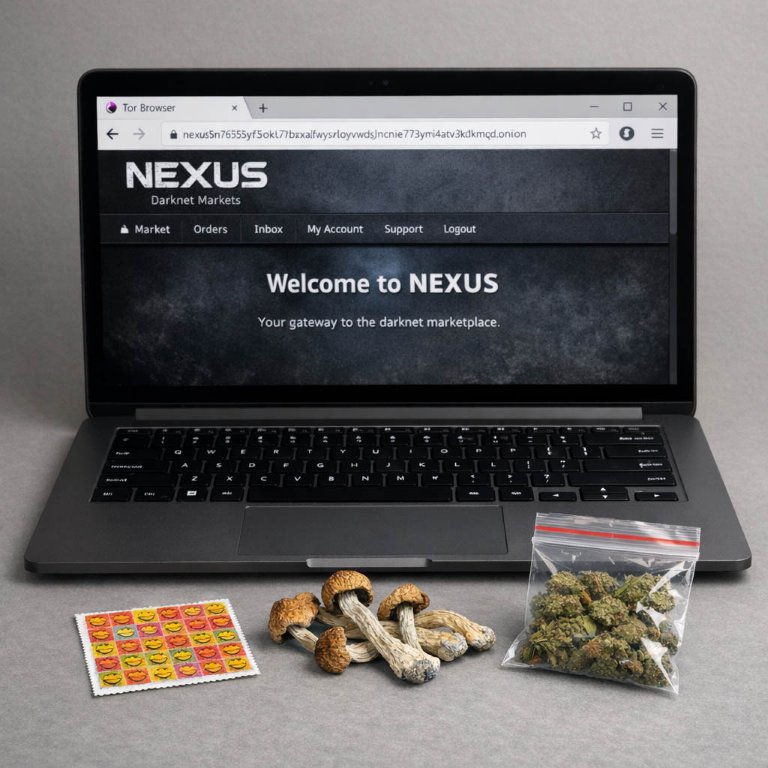
Accessing a darknet marketplace requires specific software designed to anonymize your connection. The Tor Browser is the fundamental tool for this, as it routes your internet traffic through a distributed network of relays, concealing your location and usage from network surveillance. This browser allows you to visit .onion addresses, which are the unique URLs for darknet marketplaces and other hidden services.
For enhanced privacy, combining Tor with a VPN (Virtual Private Network) is a common practice. A reputable VPN service encrypts all data leaving your device before it even reaches the Tor network, adding an extra layer of security that shields your Tor use from your Internet Service Provider.
The process is straightforward:
- Download and install the official Tor Browser from its verified project website.
- Consider subscribing to a trusted, no-logs VPN service and connect to a server before launching Tor.
- Use the Tor Browser to search for and access the specific darknet market link, which will typically be a long string of characters ending in .onion.
Once connected, the marketplace interface functions similarly to conventional e-commerce platforms, with search functions, product categories, and shopping carts. The primary distinction is the underlying infrastructure, which prioritizes user anonymity through layered encryption and cryptocurrency transactions, facilitating a secure environment for the trade of various goods.
How to Shop for Drugs on the Darknet Safely and Easily
Successful navigation of the darknet for commerce is a procedural skill, beginning with the correct installation and configuration of the Tor Browser. This software, which routes internet traffic through multiple encrypted layers, is the foundational tool for accessing .onion addresses. Users must verify they are downloading it from the official project website to avoid compromised versions. Once connected, finding a reliable darknet market link is the next step, often facilitated by community-driven directories and forums that aggregate verified URLs, as these addresses frequently change to maintain operational security.
The architecture of a typical darknet marketplace is designed for efficiency and user protection. Product listings are organized into clear categories, and advanced search functions allow for precise filtering. The multisignature (multisig) escrow system is a critical feature for secure transactions. This system holds the buyer's cryptocurrency in a neutral escrow until the order is received and confirmed, releasing funds only then, which significantly reduces the risk of vendor fraud. Direct deals outside this system are generally discouraged due to the increased risk.
Vendor selection is based on a transparent feedback mechanism. Each vendor profile displays a detailed transaction history, including:
- Number of completed sales
- Average product rating (e.g., 4.8/5)
- Specific buyer comments on product quality and shipping
- Percentage of positive versus negative feedback
Finalizing a purchase involves clear communication. After selecting a product, the buyer sends the exact cryptocurrency amount to the generated escrow address and provides a secure, encrypted delivery address through the platform's internal messaging. The entire process, from browsing to order confirmation, is contained within the encrypted Tor environment. This structured approach, leveraging the platform's built-in security systems and community trust metrics, transforms anonymous shopping into a straightforward and reliable logistical operation.
Easy and Secure Shopping on the Darknet
The user experience on a darknet market is engineered for efficiency and clarity. After accessing the platform via Tor browser and securing a cryptocurrency wallet, the process mirrors that of conventional e-commerce. The interface presents categorized listings, each with detailed product descriptions, pricing in Bitcoin or Monero, and shipping options.
Transaction security is managed by the market's escrow system. Funds are held by the platform until the buyer confirms receipt, which protects both parties. Communication with vendors is encrypted, and shipping is conducted with a focus on discreet packaging to ensure privacy. The entire cyclefrom browsing to finalizing feedbackis designed to be a straightforward, secure, and anonymous commercial interaction.