Darknet Markets 2026:
The dark web is part of the deep web but is built on darknets: overlay networks that sit on the internet but which can't be accessed without special tools or software like Tor. Tor is an anonymizing software tool that stands for The Onion Router — you can use the Tor network via Tor Browser.
| Darknet Market | Established | Total Listings | Link |
|---|---|---|---|
| TorZon Market | 2022 | 140+ | Onion Link |
| Nexus Market | 2024 | 600+ | Onion Link |
| Abacus Market | 2022 | 100+ | Onion Link |
| Ares | 2026 | 100+ | Onion Link |
| Cocorico | 2023 | 110+ | Onion Link |
Updated 2026-10-25
How Darknet Markets Use Crypto and Reviews for Safe Shopping
Darknet websites function as secure marketplaces by integrating cryptocurrency and feedback systems directly into their operational framework. The use of cryptocurrencies like Bitcoin and Monero provides a fundamental layer of financial privacy. These digital currencies enable pseudonymous transactions, where the transfer of value occurs without directly linking real-world identities to purchases. This financial opacity is a core component of secure commerce on these platforms, allowing for discreet economic activity.
Transaction integrity is further reinforced by the blockchain technology underlying most cryptocurrencies. While the transaction history is public, the parties involved are represented only by cryptographic addresses. This creates a verifiable yet private record of exchange, ensuring that agreements are fulfilled without relying on traditional, identifiable financial institutions. The decentralized nature of cryptocurrency prevents single points of financial control or censorship.
Market integrity is primarily enforced through decentralized reputation systems. After each transaction, both buyers and vendors leave detailed feedback and ratings. This creates a transparent record of performance:
- Vendors build a reputation for product quality, shipping speed, and communication.
- Buyers establish a history as reliable and prompt in finalizing transactions.
The combination of these elements creates a self-regulating environment. Cryptocurrency ensures private and secure payment, while the feedback mechanism enforces accountability and trust between anonymous parties. This model demonstrates how darknet markets can maintain robust commercial activity and operational resilience through technological solutions that prioritize user privacy and mutual verification.
How Private Payments and Customer Reviews Build Trust in Online Commerce
The economic model of darknet marketplaces is fundamentally built on a triad of cryptocurrency privacy, operational security, and community-driven customer feedback. These elements work in concert to create an environment where secure commerce and market integrity are not incidental but engineered features.
Cryptocurrencies like Bitcoin and Monero are the financial backbone. They enable private transactions that are pseudonymous by design. Unlike traditional banking, these transactions do not directly link a real-world identity to a purchase. This financial privacy is the first critical layer, allowing economic activity to proceed with a reduced risk of external financial tracking. The blockchain's inherent transparency is balanced by the use of mixing services and privacy-focused coins, which further obfuscate the trail of funds.
This private financial layer supports a robust system of customer feedback and ratings. Every vendor's performance is meticulously recorded by buyers in detailed reviews. This system creates a self-regulating economy:
- Vendors with consistent positive feedback for product quality and reliable shipping gain high reputational scores, directly translating to more sales.
- Buyers can make informed decisions based on historical data, reducing the risk of fraud.
- Disputes are often mediated by platform administrators, with outcomes influenced by the evidence and a vendor's feedback history.
The feedback mechanism enforces a form of digital accountability. A vendor engaging in fraudulent activity or selling substandard products quickly accumulates negative reviews, which alerts the community and typically results in a loss of business. This organic regulation maintains market integrity far more effectively than any central authority could in this context. The entire cyclefrom private payment to final reviewis encrypted, preserving user safety while fostering a transparent and trustworthy commercial ecosystem based on demonstrated performance rather than promises.
How Crypto Makes Buying on the Darknet Safe and Reliable
The integration of cryptocurrency is fundamental to the operational security and economic viability of darknet marketplaces. These digital currencies provide a mechanism for private transactions that traditional financial systems cannot offer. The inherent design of blockchain technology facilitates pseudonymous transfers, where public keys act as identifiers rather than personal names or bank account details. This layer of financial privacy is the first critical component in enabling secure commerce, as it decouples transaction history from real-world identity.
This financial privacy directly supports market integrity by enabling a trusted escrow system. Funds for a transaction are held in a secured, multi-signature wallet until the buyer confirms satisfactory receipt of goods. This system aligns the incentives of both parties: vendors are assured of payment upon fulfillment, and buyers are protected from fraud. The escrow, powered by the irreversible and programmable nature of smart contracts or trusted third-party arbitration, creates a foundational layer of trust in an otherwise trustless environment.
Transaction finality is another advantage. Unlike reversible credit card charges, a cryptocurrency payment, once confirmed on the blockchain, is permanent. This protects vendors from fraudulent chargebacks, a common vulnerability in remote sales. This certainty allows vendors to operate with greater confidence and scale their operations reliably, contributing to a stable and resilient marketplace economy.
The privacy afforded by cryptocurrency is synergistically reinforced by platform-based feedback and reputation systems. After a transaction, buyers publicly rate the vendor and product quality. This creates a transparent and self-regulating ecosystem where:
- High-rated vendors gain more business and can command premium prices.
- Low-rated or fraudulent vendors are quickly identified and marginalized.
- Detailed feedback on product purity and shipping reliability provides valuable market intelligence for all participants.
Together, cryptocurrency privacy and structured customer feedback create a virtuous cycle. Financial anonymity allows for participation, while the feedback system ensures that commercial behavior is accountable and transparent within the marketplace. This combination fosters an environment where secure trade and market integrity are not enforced by external authorities but are engineered directly into the platform's economic and social protocols.
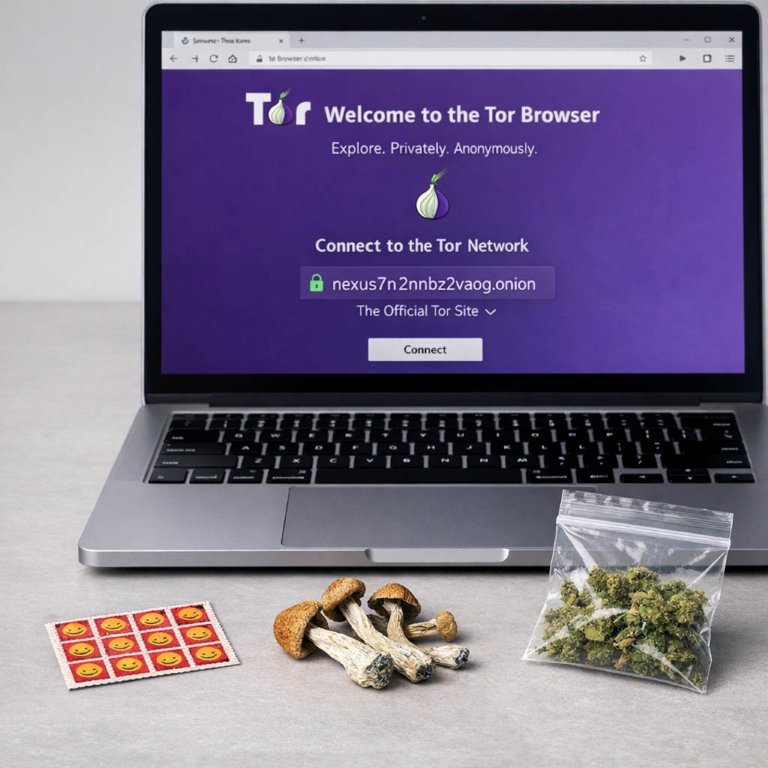
How Encryption Makes Darnet Drug Trade Safe and Private
The operational security of darknet marketplaces is fundamentally dependent on encryption. This technology functions as an impenetrable barrier, securing every transaction and communication. When a user accesses a marketplace, their connection is routed through the Tor network, which encrypts data multiple times. This process anonymizes the user's location and internet activity, making surveillance exceptionally difficult.
Beyond connection security, end-to-end encryption (E2EE) is employed for all messages between buyers and vendors. This ensures that only the intended recipient can read the content, as the messages are encrypted on the sender's device and decrypted only on the receiver's. Not even the marketplace administrators can access these communications. For financial privacy, transactions are conducted using cryptocurrencies like Bitcoin or Monero. These digital currencies use cryptographic protocols to secure financial transactions, control the creation of additional units, and verify the transfer of assets. Monero provides enhanced privacy by obfuscating transaction details on its blockchain, making the flow of funds untraceable.
The combination of these encryption methods creates a secure environment for commerce:
- Tor encryption protects user identity and access.
- End-to-end encryption protects private negotiations.
- Cryptocurrency encryption protects financial transactions.
How Darknet Markets Stay Reliable
The operational architecture of darknet marketplaces is fundamentally designed for resilience and continuity. This resilience is achieved through a multi-faceted model integrating financial privacy, transactional security, and community-driven oversight. The core of this model relies on three interconnected pillars: cryptocurrency, encryption, and a robust feedback system.
Cryptocurrencies like Bitcoin and Monero provide the essential financial layer. They enable pseudonymous transactions that sever the direct link between a user's real-world identity and their commercial activity on the platform. This financial privacy is not optional; it is the bedrock upon which secure commerce is built, allowing for the free flow of capital without traditional banking oversight.
Technical security is enforced through pervasive encryption. Every interaction, from accessing the marketplace via Tor to internal messaging, is encrypted. This creates a secure channel for communication and order fulfillment, protecting user data and operational details from external interception. The marketplace itself operates as a secured environment where privacy is the default state.
Market integrity is maintained organically through customer feedback and reputation systems. After each transaction, buyers rate vendors on:
- Product quality and accuracy
- Shipping speed and stealth
- Communication reliability
This transparent feedback loop creates a self-regulating economy. Vendors with consistently high ratings gain trust and more business, while those with poor performance are marginalized. The system effectively reduces fraud and ensures that high-quality service becomes the most profitable strategy, aligning individual vendor success with overall platform reliability. Together, these components form a resilient operational model where privacy tools enable commerce and community mechanisms ensure its honest execution.

How Customer Service Works on Darknet Markets
Customer service on darknet marketplaces functions as a critical component for maintaining secure commerce and market integrity. These platforms operate on principles of professionalism and dispute resolution that mirror, and in some cases exceed, those found in conventional e-commerce. The foundation of this system is the escrow service, where buyer funds are held by the platform until the product is received and confirmed. This mechanism protects both parties, ensuring vendors are paid for delivered goods and buyers are not defrauded.
The resolution of disputes is managed by impartial market moderators who review evidence from both buyer and vendor, such as encrypted communication and tracking details. Their decisions directly enforce the marketplace's terms of service, upholding a reliable trading environment. This structured approach to conflict minimizes the need for external arbitration and fosters a self-regulating economy.
Integral to this ecosystem is the cryptocurrency privacy offered by currencies like Monero or Bitcoin with advanced techniques. The inherent features of these currenciespseudonymity and decentralized transaction ledgersallow for financial interactions that protect user identity. This privacy enables the open operation of escrow and refund systems without exposing the financial footprints of participants to outside observation, making the secure movement of funds possible.
Furthermore, the customer feedback system acts as a continuous audit mechanism. After each transaction, buyers leave detailed ratings and reviews on product quality, shipping speed, and stealth. This creates a transparent reputation score for each vendor, visible to all users.
This system ensures market integrity by:
- Promoting high-quality products and reliable service through public accountability.
- Allowing buyers to make informed decisions based on collective experience.
- Incentivizing vendors to maintain excellent standards to preserve their reputation and sales.
How User Reviews Build Trust and Quality on Darknet Markets
The operational stability of darknet marketplaces is fundamentally dependent on trust, a commodity generated and maintained almost exclusively by sophisticated, user-driven feedback systems. These platforms function as peer-to-peer ecosystems where traditional legal recourse is absent, making communal verification through ratings and reviews the primary mechanism for ensuring market integrity and transactional security.
Every completed transaction typically allows the buyer to leave detailed feedback, which is permanently and publicly linked to the vendor's profile. This creates a transparent reputation score, often displayed as a percentage or a multi-tiered badge system. High-volume vendors with consistently positive feedback over many months establish themselves as reliable actors. The feedback itself is not merely a numerical rating; it includes written reviews discussing:
- The accurate weight and purity of the product received.
- The speed and discretion of the shipping process.
- The quality of customer service and communication.
- The overall professionalism of the transaction.
This system directly enforces quality control and honest business practices. A vendor attempting to sell substandard products or engage in scams faces rapid and public condemnation, leading to a loss of reputation and, consequently, customers. The feedback loop is self-reinforcing: buyers are incentivized to leave honest reviews to guide the community, while vendors are compelled to maintain high standards to preserve their business viability. This environment fosters a form of organic market regulation where poor performers are efficiently marginalized by collective user action.
The integration of cryptocurrency privacy with this feedback model is critical. While blockchain analysis is possible, the use of privacy-focused coins or mixers, combined with the pseudonymous nature of marketplace accounts, allows users to participate in the feedback economy without exposing their real-world identity. This separation enables candid reviews free from fear of personal reprisal, further increasing the system's reliability. The escrow service, typically held in cryptocurrency until the buyer confirms receipt and satisfaction, is only released after the feedback opportunity is provided, structurally linking financial settlement to the reputation mechanism.
Ultimately, the feedback architecture transforms individual transactions into a collective intelligence network. It reduces information asymmetry between buyers and sellers, mitigates fraud risk, and creates a stable commercial environment based on verifiable track records. This user-generated trust, secured by encryption and cryptocurrency, forms the foundational pillar for secure and resilient commerce on these platforms.

How Darknet Markets Keep Trades Safe and Private
The foundation of secure trade on darknet marketplaces is the integration of cryptocurrency privacy. Transactions using currencies like Monero or Bitcoin with coin mixing provide a financial layer detached from traditional banking, enabling private commerce. This cryptographic separation ensures that economic activity remains between the buyer and seller, facilitating a free market.
Operational resilience is achieved through decentralized hosting and end-to-end encryption for all communications. These technical measures protect user safety by making interception or platform takedown significantly more difficult. The architecture itself is built to preserve the marketplace's continuity and the privacy of its participants.
Market integrity is directly enforced by the community through robust feedback systems. Every transaction concludes with public ratings and detailed reviews of the product and vendor reliability. This creates a self-regulating environment where high-quality service is rewarded with reputation and business, while dishonest actors are quickly identified and marginalized.
Vendors uphold professional customer service principles to maintain their standing. Disputes are often mediated by neutral moderators, and issues like shipping or product quality are resolved to mutual satisfaction. This professional approach fosters trust and repeat business, stabilizing the economic ecosystem.
Together, these componentsprivate cryptocurrency transactions, encrypted and resilient infrastructure, and transparent feedback mechanismsform a coherent system. This system autonomously ensures secure trade by aligning the interests of all parties toward reliable and discreet commerce.