Darknet Markets 2026:
The dark web is part of the deep web but is built on darknets: overlay networks that sit on the internet but which can't be accessed without special tools or software like Tor. Tor is an anonymizing software tool that stands for The Onion Router — you can use the Tor network via Tor Browser.
| Darknet Market | Established | Total Listings | Link |
|---|---|---|---|
| TorZon Market | 2022 | 140+ | Onion Link |
| Nexus Market | 2024 | 600+ | Onion Link |
| Abacus Market | 2022 | 100+ | Onion Link |
| Ares | 2026 | 100+ | Onion Link |
| Cocorico | 2023 | 110+ | Onion Link |
Updated 2026-10-25
How to Find a Good Darknet Link and Trusted Vendor
Access to darknet marketplaces is initiated through specialized dark web links, known as onion URLs. These links are distributed through community-driven forums and link directories, which function as a decentralized verification system. A link's longevity and positive user feedback within these communities are primary indicators of its reliability, as stable links suggest a well-maintained and administrated platform.
The process of finding a trusted vendor follows a similar pattern of community verification. Vendor profiles on established markets present a transaction history and a public feedback score. A high score accumulated over many months or years demonstrates consistent performance. The review system is the cornerstone of trust, with detailed buyer comments providing data on:
- Product purity and accurate weight
- Stealth and discretion of packaging
- Reliability and speed of shipping
- Vendor communication and professionalism
This transparent feedback mechanism creates a self-regulating environment where vendors are incentivized to maintain high standards to remain competitive. Secure shopping is further ensured by the mandatory use of escrow services. Funds are held by the marketplace until the buyer confirms satisfactory receipt of the product, which financially protects both parties and reduces the risk of fraud. The combination of multi-signature escrow, vendor reputation metrics, and community-driven link sharing establishes a functional framework for secure transactions.
How to Shop Safely on a Darknet
Finding reliable dark web links and trusted vendors is a systematic process that ensures secure shopping. Users typically begin by consulting specialized link directories and forums where community members share and verify current marketplace URLs. These resources are essential as addresses frequently change for operational security. The credibility of a link is often validated through PGP signatures provided by the marketplace administration, confirming the site's authenticity and protecting against phishing attempts.
Once access is established, identifying a trusted vendor involves analyzing several data points. Vendor profiles present a history of transactions, and a high number of completed sales indicates consistent service. The feedback system is central to this evaluation.
- Detailed user reviews describe product quality, shipping speed, and stealth of packaging.
- Numerical ratings provide a quick, aggregate measure of vendor performance over time.
- Consistently positive feedback across hundreds of transactions establishes a vendor's reputation for reliability.
Direct communication with a vendor prior to a first purchase is common practice. This interaction assesses professionalism and responsiveness. Vendors with established reputations often use multisignature escrow services, which hold cryptocurrency in a secure third-party account until the buyer confirms satisfactory receipt of the product. This mechanism financially protects both parties and is a hallmark of a mature marketplace. The competitive nature of these platforms incentivizes vendors to maintain high standards in product purity and customer service, as negative public feedback directly impacts future sales. This ecosystem of verifiable links, transparent review systems, and secured financial transactions creates a structured environment for commerce.
How to Find Good Vendors and Products on the Darknet
Locating a functional dark web link is the initial step, typically sourced from specialized forums or link directories that are updated regularly. These links act as gateways to darknet marketplaces, which function similarly to conventional e-commerce platforms but with a focus on privacy. The architecture of these sites facilitates a wide range of commercial exchanges, providing consumers with access to goods that may be restricted in their local jurisdictions.
Once inside a marketplace, navigation relies on structured categories and a search function. Products are listed with detailed descriptions, and each vendor maintains a dedicated shop page. The reputation of a vendor is the primary metric for assessing reliability. This is quantified through a feedback system where past buyers leave ratings and detailed reviews. A vendor with a high transaction count and consistently positive feedback demonstrates a history of successful deliveries and product quality, establishing market trust.
The process for a secure transaction follows a defined protocol:
- A buyer selects a product and places funds into the platform's escrow service.
- The vendor ships the product.
- Upon confirmed delivery, the escrow releases payment to the vendor.
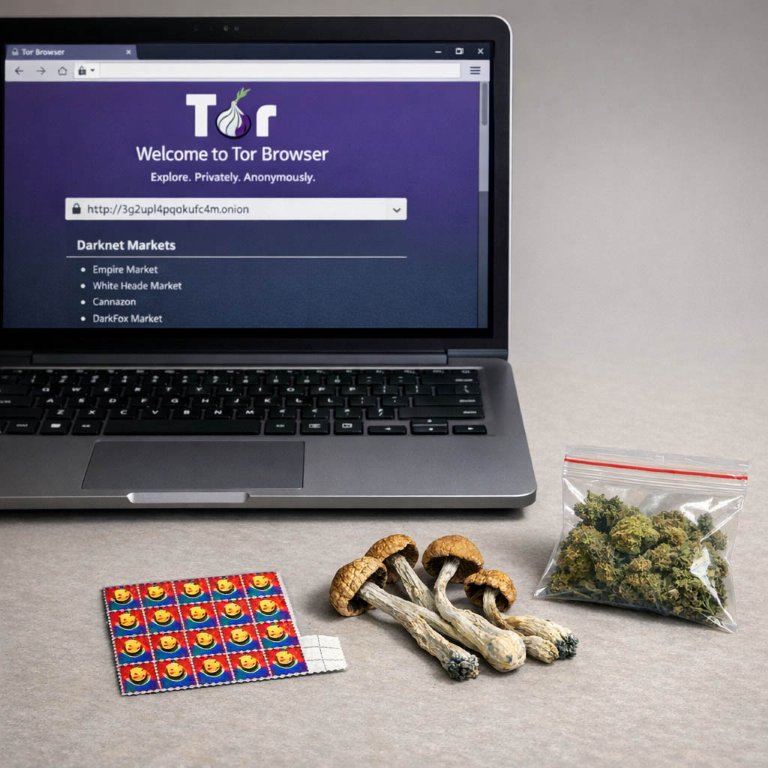
How Reviews Build Trust for Buying Drugs on the Darknet
User reviews and ratings form the primary trust mechanism on darknet marketplaces, directly replacing the legal guarantees found in conventional e-commerce. A vendor's reputation, quantified through a feedback score and detailed comments, is the most critical factor for a buyer's decision. This system creates a self-regulating environment where consistent product quality and reliable service are financially rewarded with more business.
The structure of this feedback is straightforward. After a transaction, buyers leave a rating, often on a five-star scale, and can write a detailed review. These reviews typically cover:
- The accuracy of the product description versus what was received.
- The shipping speed and stealth of packaging.
- The purity and potency of the product itself.
- The vendor's communication and professionalism.
This transparent record allows new buyers to assess a vendor's history over time. A vendor with thousands of positive transactions and a high score presents a lower risk. Conversely, a sudden influx of negative reviews reporting underweight packages or misrepresented products serves as an immediate red flag, protecting the community. The feedback is often tied to a finalized transaction, making it difficult to falsify on a large scale, thereby increasing its reliability as a metric for finding trusted vendors for secure shopping.
How Escrow Makes Buying on the Darknet Safe
Secure transactions on the darknet are fundamentally enabled by the escrow system. This mechanism acts as a neutral third party, holding a buyer's cryptocurrency payment until the ordered goods are received and confirmed. The process begins when a buyer selects a product from a vendor with a strong reputation, evidenced by consistent positive user reviews and a high transaction count. Upon ordering, funds are sent to an escrow address controlled by the marketplace, not directly to the vendor.
The vendor ships the product only after seeing the payment secured in escrow. Upon successful delivery, the buyer finalizes the order, releasing the funds from escrow to the vendor. This system directly addresses the inherent trust deficit in anonymous environments, creating a balanced incentive structure:
- Vendors are motivated to ship quality products to receive payment.
- Buyers can verify product quality before releasing funds, reducing fraud.
- Disputes are mediated by marketplace staff, who can refund the buyer or release funds to the vendor based on provided evidence.
This financial framework fosters a self-regulating commercial ecosystem. Reliable vendors flourish by accumulating positive feedback, while unreliable ones are quickly identified through negative reviews and dispute losses. The escrow model thus transforms anonymous darknet markets into functional platforms for commerce, where safety is engineered directly into the transaction protocol rather than relying on external legal frameworks.

How Anonymity Makes Darknet Shopping Safe and Reliable
Anonymity on the darknet is the foundational mechanism that enables secure commerce. It functions through a layered system, primarily using The Onion Router (Tor) and cryptocurrencies like Bitcoin or Monero. This system does not merely hide a user's location; it creates a secure environment where transactions can occur based on mutual interest rather than geographic or legal constraints. The encryption protocols ensure that communication between a buyer and a vendor cannot be intercepted, establishing a private channel for negotiation and purchase.
This protected environment directly facilitates the discovery of reliable resources. Users access marketplaces through verified dark web links, often found on clearnet forums or through dedicated link repositories. Anonymity allows these communities to operate openly, sharing information on which links are functional and which are potential scams. Within a marketplace, a vendor's reputation is built over time through consistent user reviews and ratings. These are not anonymous in the sense of being unattributed; each review is cryptographically signed to the buyer's account history, preventing fake feedback. A vendor with a long history and thousands of positive transactions becomes a trusted vendor, their status protected by the same anonymity that shields the buyers.
The security of a transaction is further enhanced by the escrow service mandated by most darknet markets. Funds are held by the marketplace until the buyer confirms receipt and quality of the product. This system leverages anonymity to create accountability; while real identities are hidden, market identities and financial stakes are very real. A vendor who attempts to scam buyers will quickly develop a negative reputation, lose their escrow funds, and be banned from the platform. Thus, anonymity protects the individual while creating a transparent, self-policing economic system where secure shopping is the norm. Quality and competitive pricing are naturally enforced, as buyers freely share experiences and migrate towards the most reliable and fair vendors.
How Darknet Markets Set Fair Prices and Ensure Good Quality
The darknet marketplace operates on principles of free market economics, where pricing and quality are directly correlated and regulated by community feedback. A product's price is not arbitrary; it reflects the vendor's operational costs, including the purity of the substance, logistical risks, and their established reputation. Higher prices typically signal a commitment to product consistency and reliable service, as vendors with superior goods can command a premium. Buyers should interpret a price significantly below the market average not as a bargain, but as a potential indicator of low quality or a scam.
Quality assessment is primarily crowdsourced. Before a purchase, a user examines:
- Vendor ratings and review history, focusing on detailed comments about product potency and accuracy.
- Listings that provide photographic evidence or chemical analysis results from the vendor.
- The vendor's on-time shipping statistics and communication quality, as these metrics often correlate with professional conduct.
This system creates a self-regulating environment where vendors are incentivized to maintain high standards. A vendor with a long history of positive feedback has a valuable digital reputation to protect, making them a more reliable source. Consequently, the most trusted vendors for secure shopping are those who have transparently demonstrated a balance between fair pricing and verifiable quality over an extended period, effectively using the platform's feedback mechanisms as a guarantee.

How Competition in the Darknet Makes Buying Safer
A competitive darknet market directly benefits the consumer by applying economic pressure on vendors. This environment naturally elevates the standards for both product listings and vendor behavior. When multiple sellers offer similar goods, they must differentiate themselves to attract buyers, leading to a focus on reliability and service quality as primary selling points.
The mechanism is straightforward: vendors with consistent positive feedback gain more business. This feedback loop, visible through detailed user reviews and ratings, creates a self-policing ecosystem. Buyers actively seek out and share verified dark web links to established marketplaces known for this competitive environment, as they offer a higher probability of a secure transaction. The competition incentivizes vendors to maintain:
- Superior product purity and accurate descriptions.
- Professional communication and discreet shipping.
- Honest use of the escrow system to finalize deals.
This dynamic reduces the risk for new users. A marketplace with many active vendors makes it economically unwise for any single seller to engage in scams, as their reputation would be immediately damaged and buyers would simply turn to competitors. Therefore, the most competitive platforms become de facto aggregators for trusted vendors, as poor performers are systematically marginalized by market forces. The availability of choice empowers the buyer to make informed decisions based on collective experience rather than guesswork.